Oil & Gas
Hazardous-area-rated connectivity for the most remote, dispersed, and demanding assets in the field.

From pipeline networks to offshore platforms, oil & gas assets are rarely in a convenient place to run cable. We provide Class 1 Div 2-rated wireless and wired I/O solutions that extend reliable SCADA, monitoring, and control connectivity to wellheads, tank farms, refineries, and platforms without the cost or risk of trenching through hazardous or inaccessible terrain.
Core Applications
Pipeline network monitoring across dispersed, remote segments
Crude oil storage & distribution site monitoring
Offshore platform communications where cabling is impractical

Marginal and remote wellhead optimization and monitoring
Refinery ground-level air quality monitoring
Tank farm I/O extension back to a central control room
Recommended Products
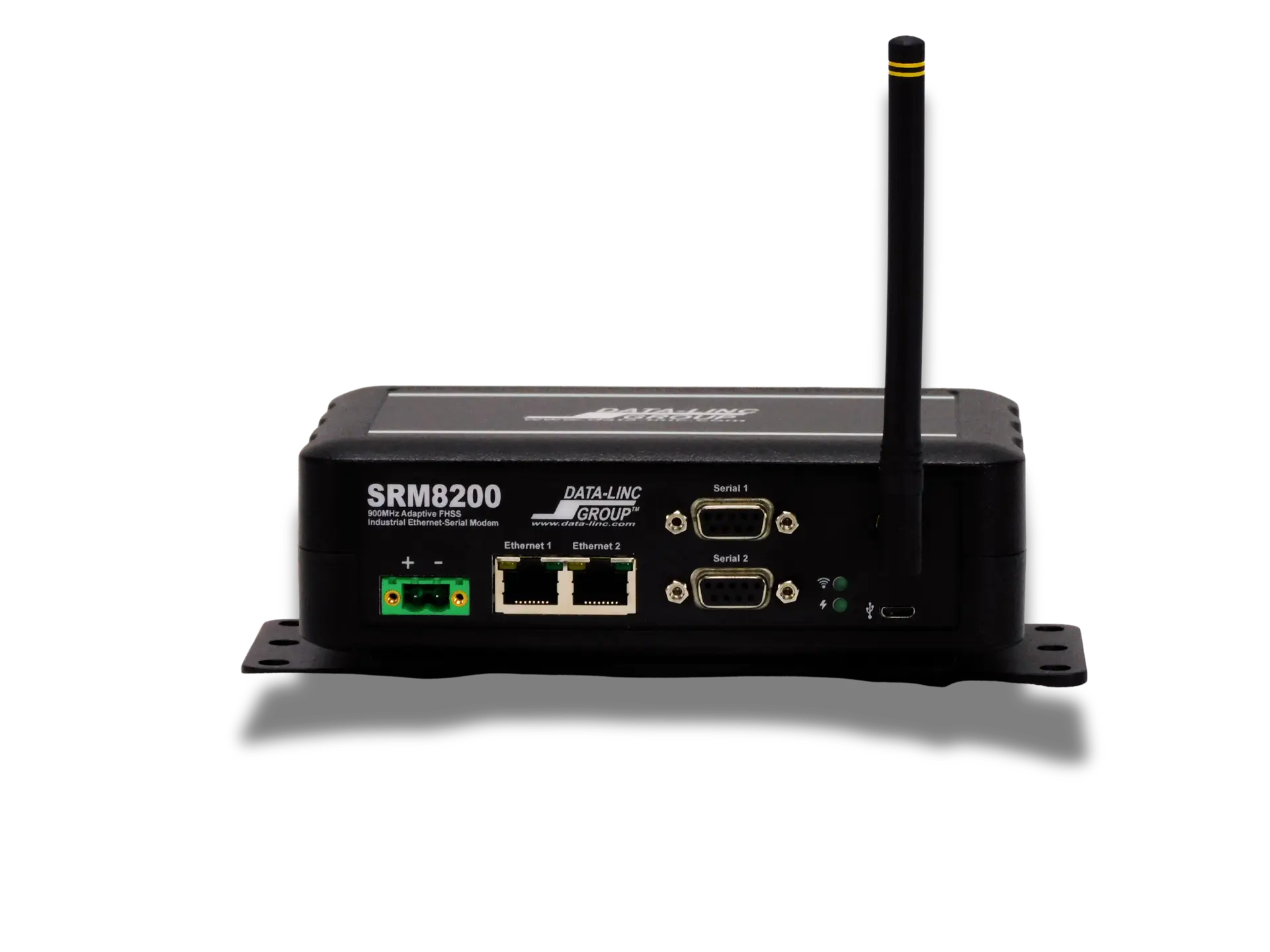
SRM8200
Primary wireless radio, hazardous-area-rated configuration where required
View Product Details →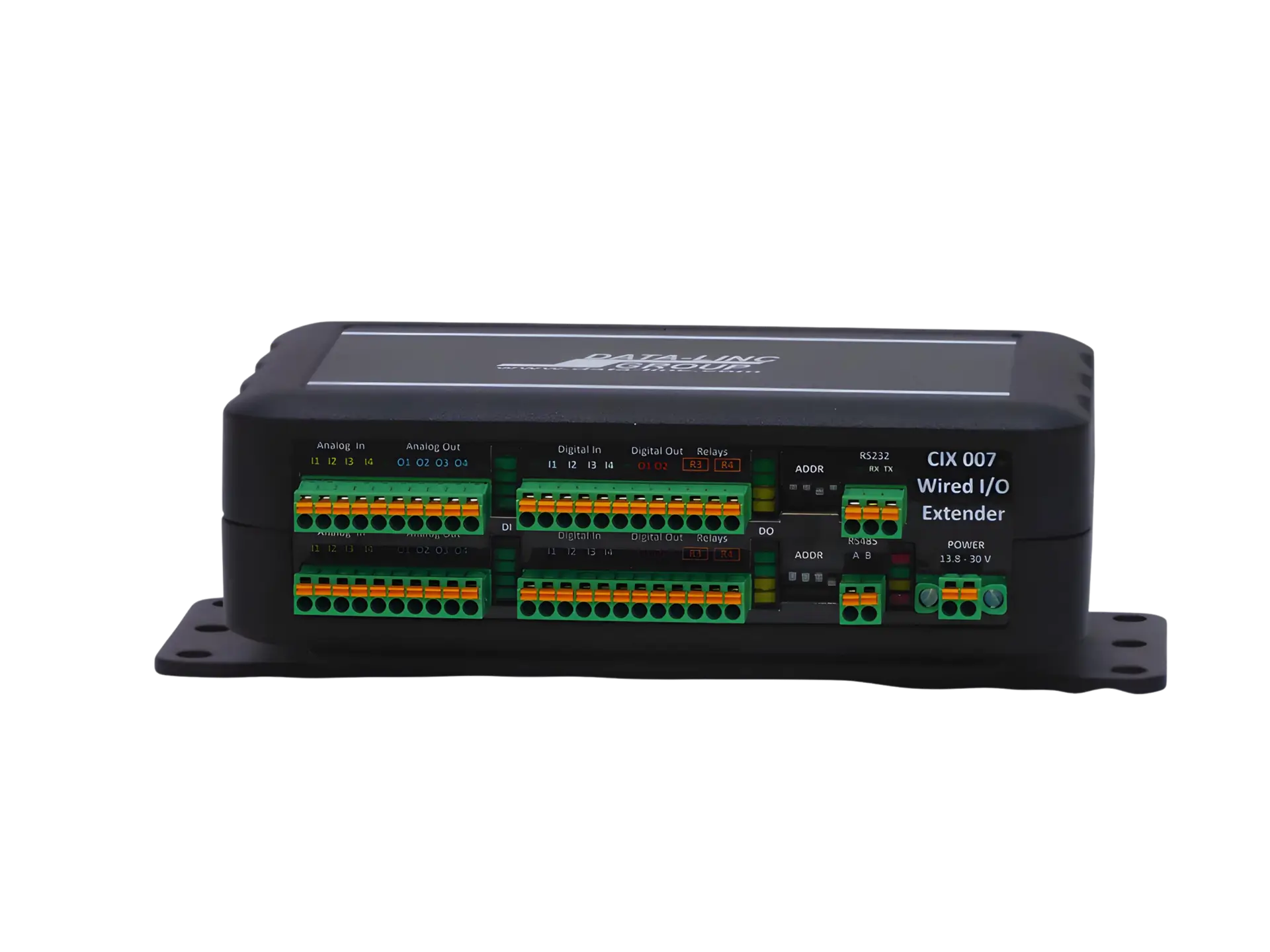
CIX007
Wired I/O extension for tank farms and remote wellheads
View Product Details →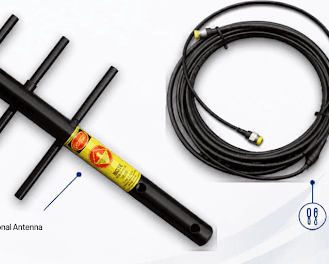
Industrial Antenna & Cable Accessories
Class 1 Div 2-rated accessories
View Product Details →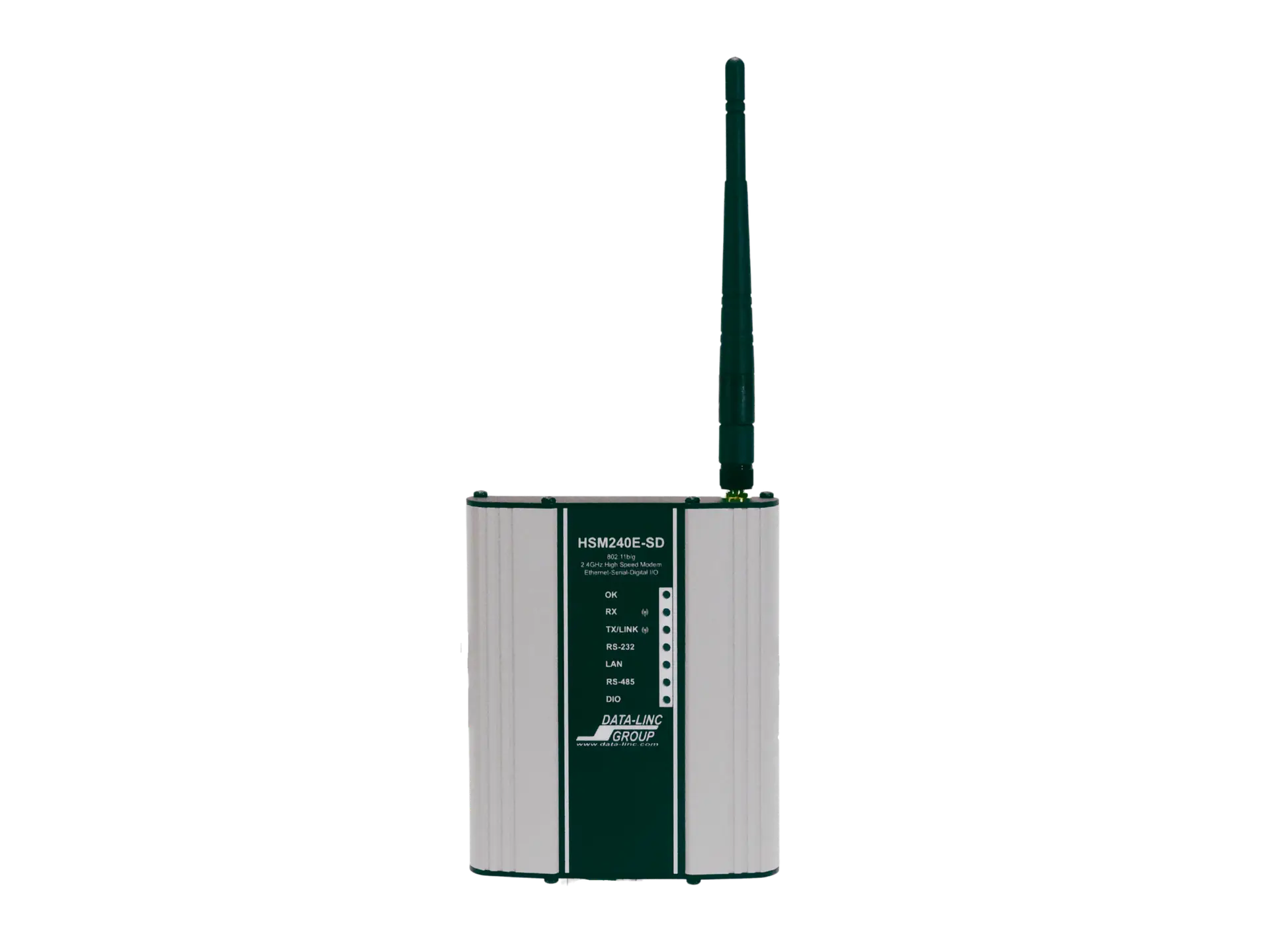
HSM240E-sd
Higher-bandwidth, Class 1 Div 2-rated option for wellhead/facility links within ~9 miles (2.4 GHz) LOS
View Product Details →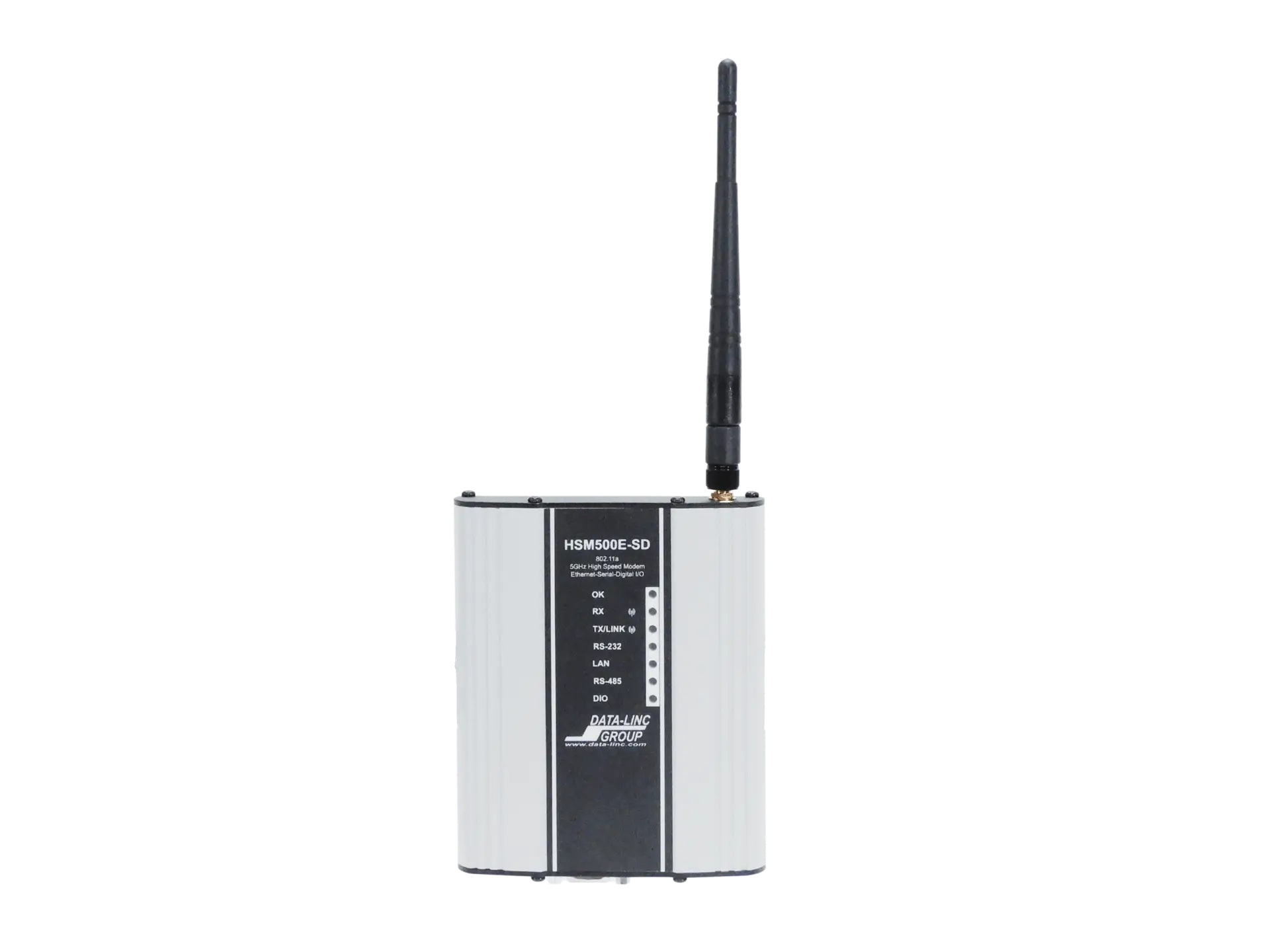
HSM500E-sd
Higher-bandwidth, Class 1 Div 2-rated option for wellhead/facility links within ~2 miles (5 GHz) LOS
View Product Details →Challenges We Solve
Hazardous-Area Requirements
Class 1 Div 2-rated equipment where standard radios and cabling aren't permitted
Remote & Offshore Connectivity
Reliable links to platforms and wellheads with no practical wired path
Widely Dispersed Assets
Pipelines and tank farms spanning long distances with no single point of failure

Oil & Gas Connectivity Architecture
| Architecture Feature | 900 MHz FHSS Series (e.g., SRM6230 / SRM6030) | 2.4 / 5.8 GHz High-Speed (e.g., HSM240E) |
|---|---|---|
| Primary Interfaces | 10/100 Ethernet, RS-232, RS-422, RS-485 | 10/100/1000 Base-T Ethernet |
| Industrial Protocol Support | EtherNet/IP, Modbus TCP/RTU, DF1, Profibus | EtherNet/IP, Modbus TCP, Profinet, Video Streams |
| Operational Range | Up to 25+ Miles (Line-of-Sight with Yagi) | High-density plant penetration / Up to 10 Miles LOS |
| Operating Temperature | -40°C to +75°C (-40°F to +167°F) | -40°C to +75°C (-40°F to +167°F) |
| Hazardous Rating | Class 1, Division 2 (C1D2) Available | Class 1, Division 2 (C1D2) Available |
Frequently Asked Technical Questions
DATA-LINC modems provide true protocol-transparent communications for Allen-Bradley / Rockwell (ControlLogix, CompactLogix), Schneider Electric, Siemens, and Omron. No changes to your existing PLC ladder logic or RTU code are required.
By utilizing Frequency Hopping Spread Spectrum (FHSS), our radios cycle through channels continuously, dodging RF interference produced by variable frequency drives (VFDs), heavy machinery, and commercial Wi-Fi bands.
Ready to eliminate your leased lines?
Talk to an engineer about telemetry for your facility.
Talk to an Engineer